IPIS

InterPlanetary Identity System
An architectural proposal for a future civilisation colonising worlds
A voluntary protocol for identification, access, and navigation in the Solar System and beyond.

Learn more →

🚀 Why do we need a passport for Mars?

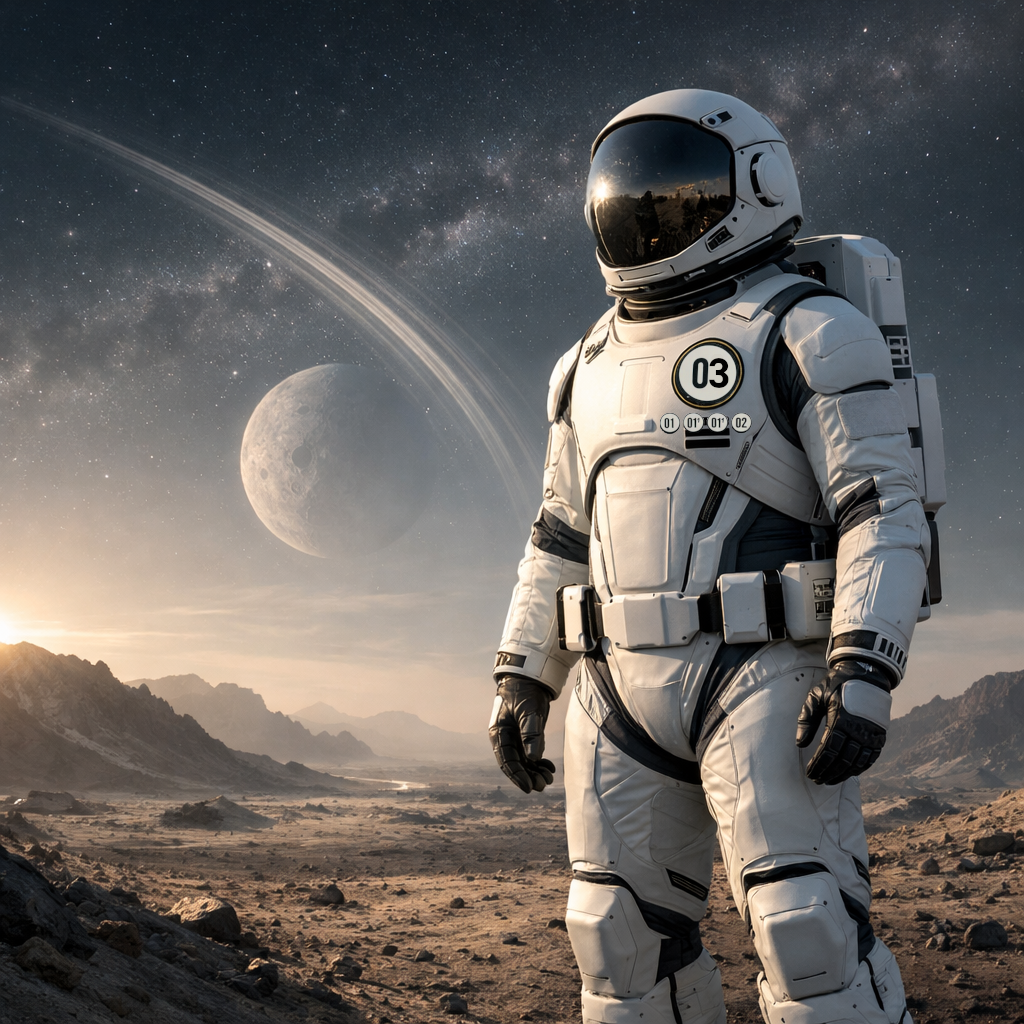
Today, astronauts are identified by mission badges, flags, and digital databases tied to Earth. Tomorrow, with permanent bases on the Moon and Mars, we need a universal, instantly readable, Earth‑independent way to identify origin, experience, and routes – for both people and machines.

IPIS replaces cumbersome Earth‑bound bureaucratic procedures with a single visual‑electronic language understandable anywhere in space, without a network connection.

«Right now, spacesuits are a mess of flags and corporate logos. IPIS is the first step towards a common language for space.»

💡 Patches, discs, and the language of space

The core of the system is a symbolic‑geometric notation and a digital code that follows the plan of space expansion.

🔵

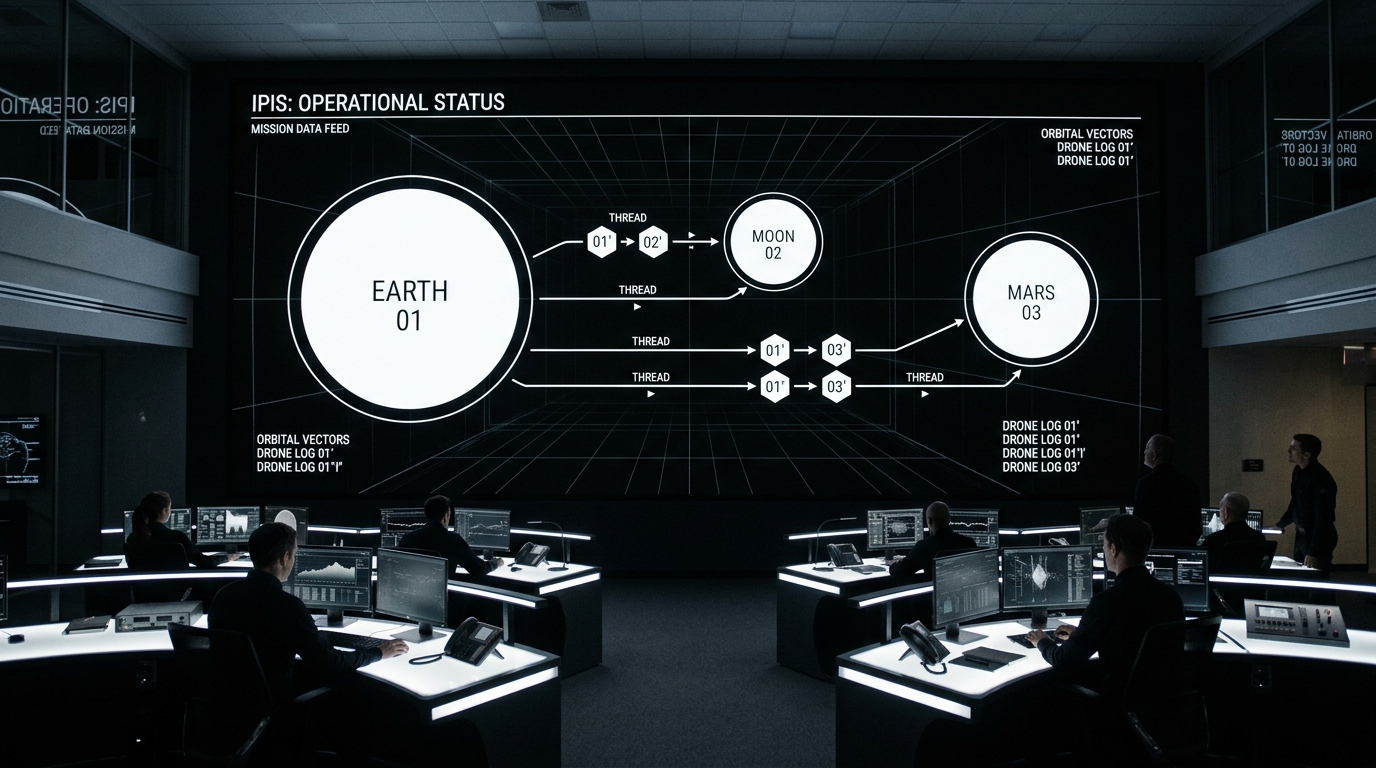
Circle

Life: human, base, crewed spacecraft

Hexagon

Robot, drone, uncrewed vehicle

01 02 03

Planets

01 — Earth, 02 — Moon, 03 — Mars, 04, 05… — new worlds

' E 00

Indices

' — orbit, E — EVA (risk), 00 — deep space

🏅 Your life in five discs – the Snezhkov Stack

A symbolic sequence of status changes during travel. On a person – a row of touching discs under the main patch. The first disc is the birthplace, then long‑term work locations, and after worlds with spacewalks – an E disc.

Example: 01 02’ E 03 — born on Earth, worked on lunar orbit with EVAs, now on Mars.

Stack

🛸 Ship Thread

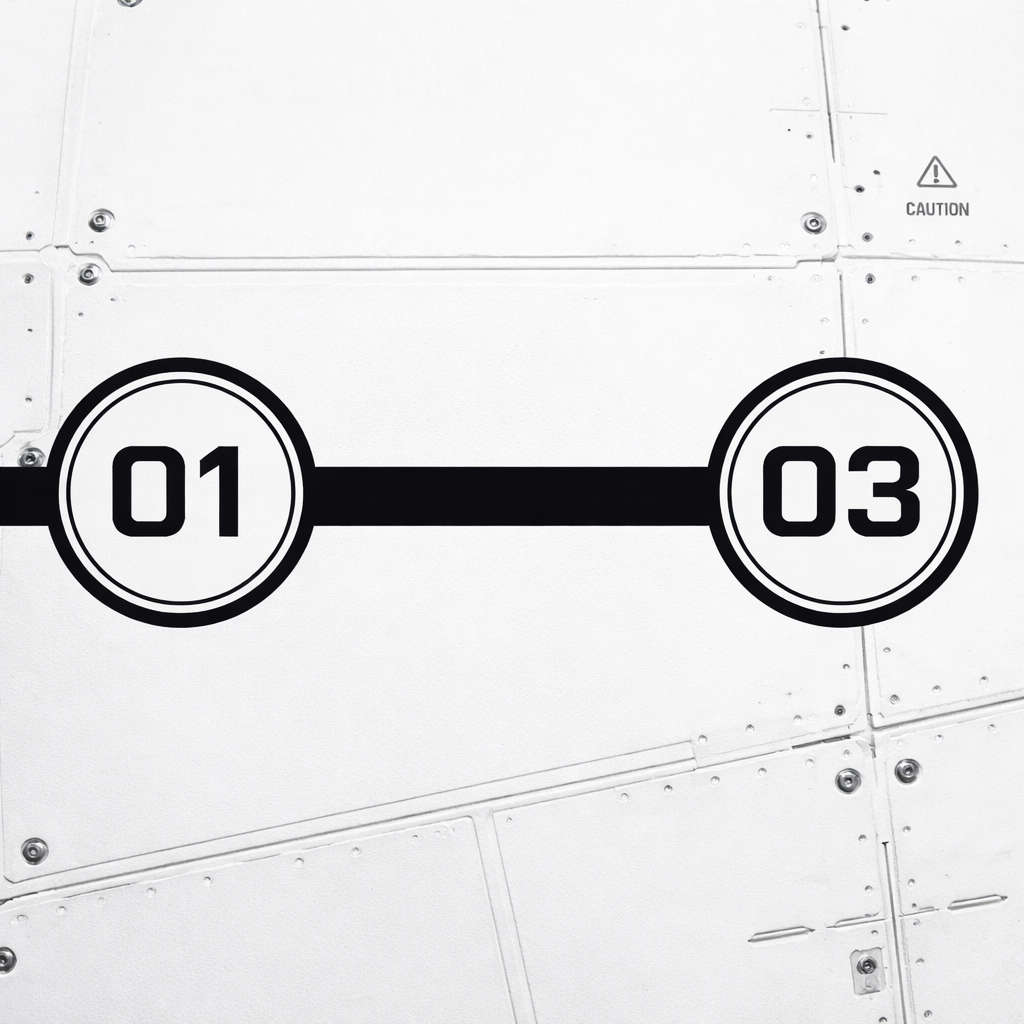
Route diagram – a straight line on the hull from the start node to the end node (e.g., 01—03). Intermediate manoeuvres are digital only. Simple and clear, like a subway map.

Ship Thread

⭐ Star Prefix (for the very distant future, sci‑fi, and games)

SUN — Sun PRX — Proxima Centauri … and so on

✨ Generate Your Duranki Code

Choose your destination — get your unique identifier string.

📖 The world of IPIS comes alive

«I look at my modest patch: 01–03. And I think: “Isn't it time to expand the stack?”»
— Mark, Chapter 1 of The Expansion Cycle

IPIS isn't just a protocol – it's a living universe. Read stories about ordinary people who wear the patches, eat Martian fish, and discover new worlds.

📚 Read "The Expansion Cycle" (Rus)

🛠 Technical integration

📡

RFID patches

Passive chips embedded in the patch. Bring your sleeve to a reader at an airlock – the door opens, the system logs the time and place. No passwords, no biometrics.

🛰️

IPIS_CODE in NORAD

Satellites and spacecraft get a human‑readable label. A dispatcher sees not just 25544, but `circle 01'` (crewed station in Earth orbit).

📋

Stack verification

All records of base changes, EVAs, etc., are signed by commanders in onboard logbooks. Periodic synchronisation with a central registry is possible.

🖼️ Scenes from the expansion

📸 Open full gallery →

📦 Open project. Open future.

IPIS Logo

IPIS is released under the CC BY-SA 4.0 license. You can use, adapt, and pilot it – freely. The repository contains full specifications, design assets, guides, and a quick start.

✅ Simple 🌍 International 🛡️ Doesn't replace existing rules 🚀 Pilot‑ready
⭐ GitHub 📖 Quick start

🌌 Join the Expansion

IPIS is more than a protocol – it's a growing community of dreamers, engineers, and storytellers. Discuss, create, and help shape the future of interplanetary identity.

🤖 Reddit – r/IPIS_DURANKI 📢 Telegram 📚 Read the stories (Rus) ⭐ Contribute on GitHub

Got your own Duranki code? Share it with #MyDurankiCode on social media.